
Owning rental property comes with many responsibilities—from tenant management to regular maintenance. But one challenge many landlords eventually face is a property cleanout. Whether due to an eviction, a sudden move, or tenants leaving behind unwanted items, cleanouts can be stressful, time-consuming, and costly if not handled properly.
If you’re a landlord, here’s what you should know about property cleanouts to protect your investment and keep your rental business running smoothly.
1. Understand Your Legal Responsibilities
Before removing anything left behind by a tenant, check your state and local laws. Some areas require landlords to store abandoned belongings for a set period, while others allow immediate disposal. Acting too quickly could expose you to liability, so always review the regulations and follow proper procedures.
2. Document Everything
When tenants leave items behind, documentation is essential. Take photos and create an itemized list of the belongings. This protects you if a former tenant later claims their property was mishandled. Documentation also helps you keep clear records for security deposit disputes or potential legal cases.
3. Prioritize Safety and Sanitation
Rental properties are sometimes left in poor condition. Old furniture, spoiled food, or hazardous materials like chemicals and broken glass may be present. Always prioritize safety—wear gloves, masks, and proper clothing. If the property contains biohazards or an extreme mess (such as in a hoarding situation), professional cleanout services are strongly recommended.
4. Know When to Hire Professionals
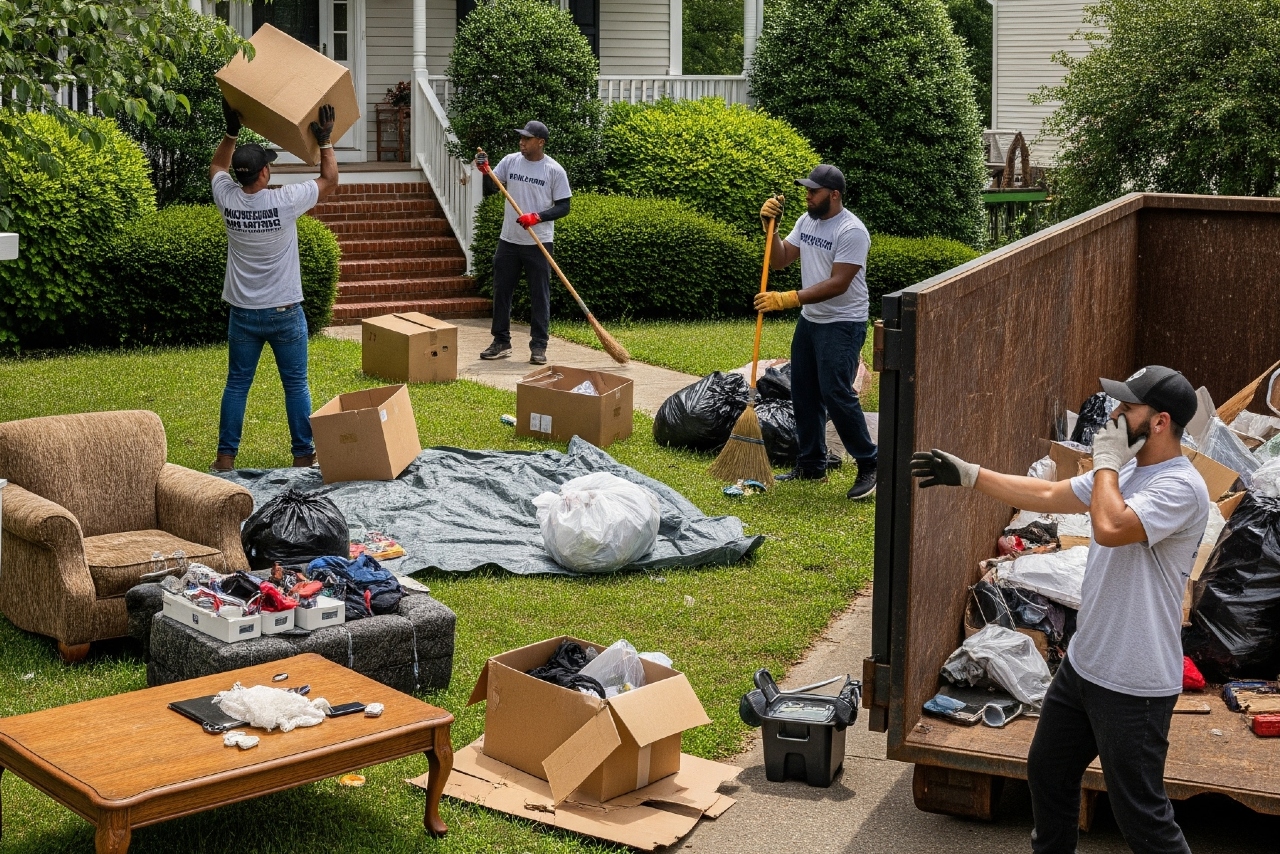
While some landlords attempt cleanouts on their own, hiring a professional cleanout and junk removal service can save time, stress, and effort. Professionals handle everything from hauling large items to responsibly disposing of junk, donating usable goods, and recycling when possible. This allows you to prepare the property for the next tenant faster.
5. Factor Cleanouts Into Your Turnover Process
Property cleanouts should be seen as part of the turnover process—just like repainting, repairs, and cleaning. Building them into your routine and budget ensures your rental is ready for new tenants quickly, helping you minimize vacancy time and lost income.
6. Protect Yourself With a Strong Lease Agreement
One of the best ways to avoid messy cleanouts is to address the issue in your lease. Include clear language about tenant responsibilities for removing belongings at move-out, and outline potential charges if the landlord must arrange a cleanout. This can help deter tenants from leaving behind unwanted items in the first place.
Final Thoughts
Property cleanouts are an inevitable part of being a landlord, but they don’t have to be overwhelming. By understanding your legal responsibilities, documenting properly, and knowing when to bring in professional help, you can make the process smoother and protect your investment.
If you’re facing a property cleanout, consider working with a trusted junk removal and property cleanout service to handle the heavy lifting and get your rental ready for new tenants quickly and efficiently.