

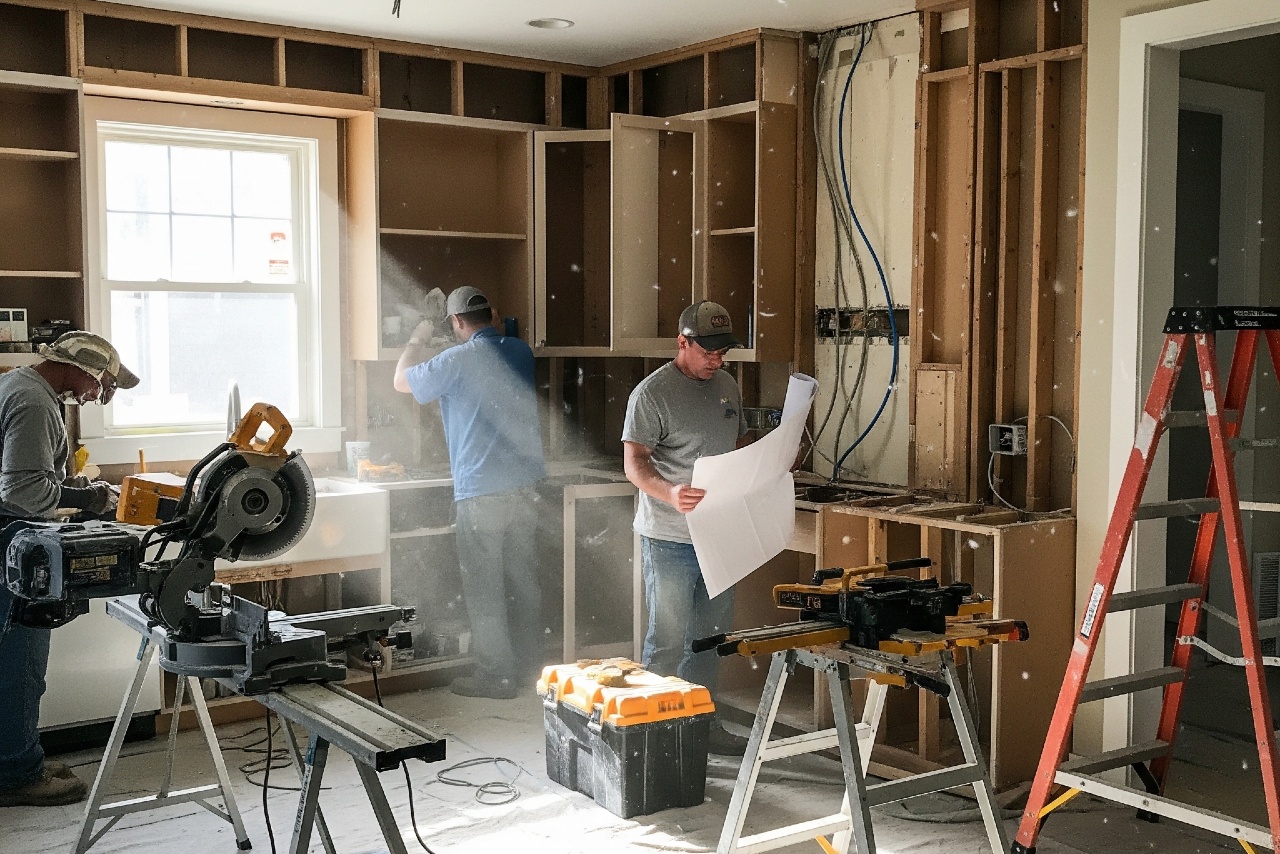
A home remodeling project is exciting—it’s your chance to refresh your living space, improve functionality, and even boost property value. But let’s be honest: remodeling can also feel stressful, especially when unexpected delays, budget overruns, and endless decisions get in the way.
The good news? With the right planning and mindset, you can take much of the stress out of the process. Here’s how to plan a home remodeling project that runs smoothly from start to finish.
1. Define Your Goals Clearly
Before diving into design boards and contractor quotes, take time to clarify your goals. Are you remodeling to add value for resale, create more space, or simply upgrade outdated features? Knowing your “why” will guide every decision—from materials to design choices—and help you avoid costly detours.
2. Set a Realistic Budget (and Add a Cushion)
Budget stress is one of the top challenges in home remodeling. Create a budget that reflects what you can comfortably spend, and always include a contingency fund (10–20% of the project cost) for unexpected expenses. This way, if surprises pop up—like hidden water damage or outdated wiring—you’ll be prepared without panic.
3. Choose the Right Contractor
Your contractor can make or break your remodeling experience. Take time to research, read reviews, and ask for references. Look for a licensed, insured contractor with a track record of delivering quality work on schedule. A trustworthy professional will keep you informed, handle permits, and manage subcontractors, saving you time and stress.
4. Plan the Timeline Wisely
Be realistic about how long your project will take. Larger remodels often require weeks or even months, so plan around important life events to minimize disruption. Factor in lead times for materials, permit approvals, and potential weather delays. A clear, agreed-upon schedule with your contractor helps keep expectations in check.
5. Communicate Openly and Often
Good communication is key to a stress-free remodel. Stay in touch with your contractor, ask questions, and don’t hesitate to speak up if something doesn’t look right. Regular check-ins help prevent misunderstandings and ensure your vision is being executed correctly.
6. Prepare Your Home (and Yourself)
Remodeling can disrupt your daily routine. Plan ahead by setting up temporary living spaces, protecting furniture from dust, and storing valuables safely. If it’s a kitchen remodel, consider creating a mini cooking station with essentials. Preparing mentally for some inconvenience makes the process feel less overwhelming.
7. Focus on the Big Picture
During remodeling, it’s easy to get caught up in minor setbacks. Remember that small hiccups are normal and temporary. Keep your eyes on the bigger picture—your improved, more beautiful home—and you’ll find the process easier to handle.
Final Thoughts
Home remodeling doesn’t have to be a stressful experience. By setting clear goals, budgeting wisely, choosing the right contractor, and preparing for the process, you can enjoy a smoother, more enjoyable project. The payoff is a home that not only looks better but also fits your lifestyle and needs perfectly.
If you’re planning a remodel, consider working with a professional team that makes the process seamless, efficient, and stress-free—so you can focus on the excitement of creating your dream space.